Top Innovations in Diabetic Foot Laser Therapy for 2026
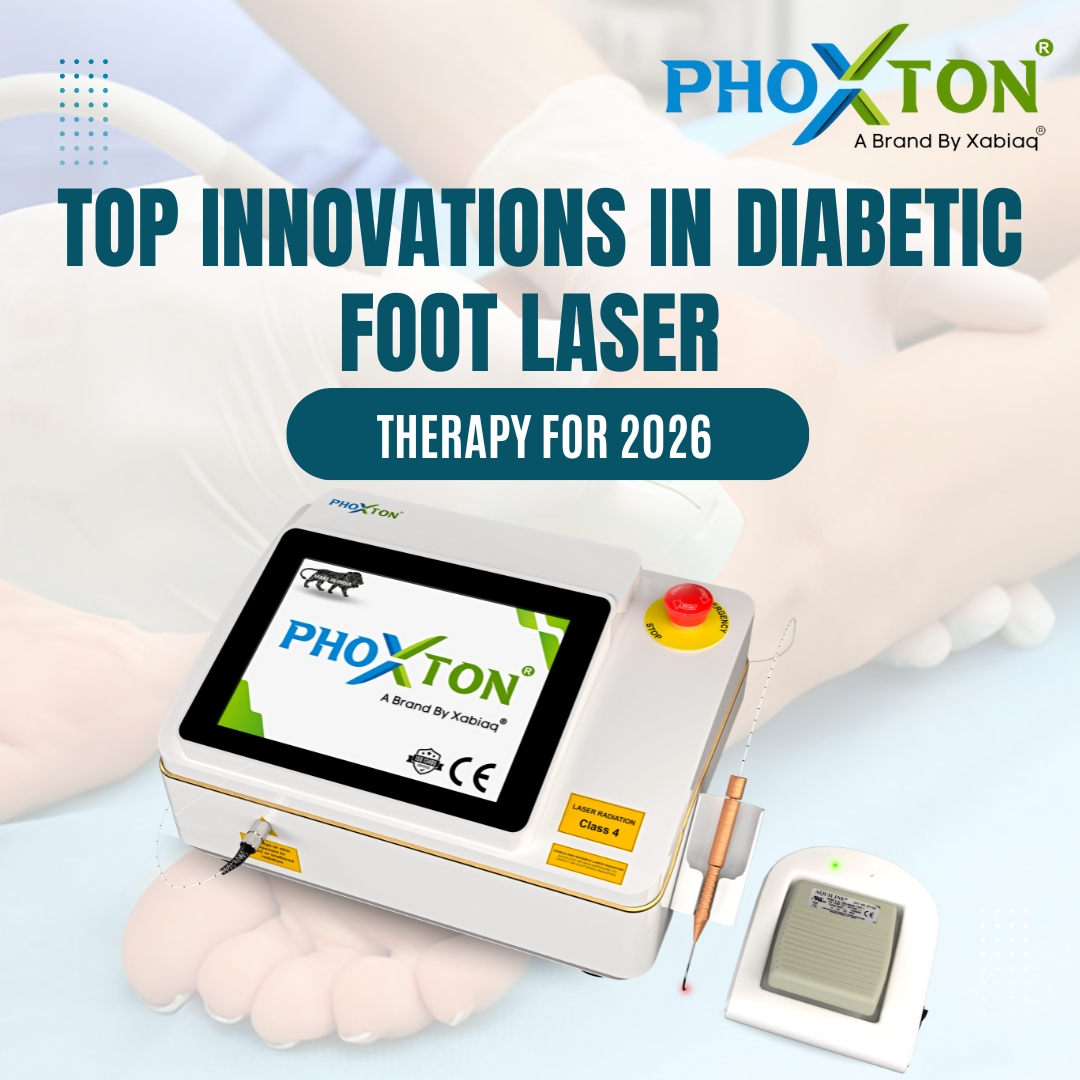
Diabetic foot complications remain a major global healthcare challenge, often leading to chronic wounds, infections, and reduced quality of life. As technology advances, diabetic foot laser therapy continues to evolve, offering safer, faster, and more effective treatment options. By 2026, innovation in laser-based wound care is expected to redefine how clinics manage diabetic foot ulcers and neuropathy.
Phoxton, a Brand by Xabiaq, established in 2017, has been actively contributing to this evolution through advanced laser therapy solutions designed for clinical efficiency and patient comfort. As manufacturers, suppliers, and exporters based in Ahmedabad, India, Phoxton focuses on future-ready laser technologies for diabetic foot care.
Growing Importance of Laser Therapy in Diabetic Foot Care
Traditional diabetic foot treatments often rely on dressings, medications, and prolonged wound management protocols. While effective to some extent, these methods may lead to slow healing and higher complication risks. Laser therapy addresses these challenges by stimulating cellular regeneration, improving microcirculation, and reducing inflammation without invasive procedures.
Innovations in diabetic foot laser machines are helping clinics deliver consistent outcomes while improving patient compliance and reducing recovery time.
Innovation 1: Advanced Low-Level Laser Therapy (LLLT) Precision
By 2026, low-level laser therapy devices are becoming more precise and targeted. Modern systems now allow clinicians to control wavelength accuracy, penetration depth, and treatment duration more effectively. This ensures optimal stimulation of damaged tissues without overheating or discomfort.
These advancements are particularly beneficial for:
- Chronic diabetic foot ulcers
- Post-surgical wound healing
- Early-stage neuropathy management
Phoxton’s foot low-level laser therapy devices are designed to align with these precision-focused advancements.
Innovation 2: Multi-Application Diabetic Foot Laser Systems
One of the most significant trends is the development of multi-functional laser machines. Instead of using separate equipment for ulcers, neuropathy, and wound healing, newer systems support multiple clinical applications through adjustable therapy modes.
Such systems allow clinics to treat:
- Diabetic foot ulcers
- Neuropathy-related pain
- Poor circulation issues
- Non-healing wounds
This innovation improves clinic efficiency while reducing equipment investment costs.
Innovation 3: Enhanced Wound Healing Response
Laser technology is now focusing more on cellular bio-stimulation, improving fibroblast activity and collagen production. This directly impacts wound closure speed and tissue strength.
Modern diabetic wound healing laser machines are being developed to:
- Shorten healing cycles
- Reduce infection risks
- Improve skin regeneration quality
These benefits make laser therapy an essential part of diabetic wound care protocols heading into 2026.
Innovation 4: Portable and Clinic-Friendly Designs
Another key innovation is compact and portable laser therapy devices. Clinics increasingly prefer lightweight systems that are easy to move between treatment rooms without compromising performance.
By 2026, laser machines are expected to feature:
- Smaller footprints
- User-friendly interfaces
- Quick setup and calibration
- Energy-efficient operation
Phoxton’s focus on ergonomic design supports this shift toward clinic-friendly laser solutions.
Innovation 5: Improved Neuropathy Management
Diabetic neuropathy remains one of the most painful and difficult complications to manage. Laser therapy innovations are now addressing nerve stimulation and pain relief more effectively.
Advanced neuropathy and diabetic foot laser therapy machines help:
- Improve nerve signaling
- Reduce tingling and numbness
- Enhance blood circulation
- Support long-term nerve health
These developments are expected to play a major role in diabetic care strategies in 2026.
Innovation 6: Safer, Non-Invasive Treatment Protocols
Safety remains a priority in medical technology. New-generation cold laser therapy devices are designed to deliver therapeutic benefits without tissue damage, heat generation, or patient discomfort.
Non-invasive laser protocols ensure:
- Pain-free sessions
- Minimal side effects
- High patient acceptance
- Repeatable treatments
This makes laser therapy suitable for elderly and high-risk diabetic patients.
Phoxton’s Vision for the Future of Diabetic Foot Laser Therapy
Founded by Jatin Bhingradiya, Ravi Atara, and Jaitik Panchal, Phoxton a Brand by Xabiaq continues to invest in innovation-driven manufacturing. Operating from Ahmedabad, Gujarat, the company serves healthcare providers across India and international markets.
As manufacturers, suppliers, and exporters, Phoxton focuses on:
- Quality-driven production
- Clinically relevant design
- Future-ready laser technology
- Reliable performance standards
Their product range reflects the upcoming trends expected to dominate diabetic foot laser therapy by 2026.
Conclusion
The future of diabetic foot care lies in advanced laser therapy innovations that prioritize faster healing, patient comfort, and clinical efficiency. As we move toward 2026, precision laser systems, multi-application devices, and improved wound healing responses will become standard in modern clinics.
By adopting innovative diabetic foot laser therapy solutions, healthcare providers can significantly improve treatment outcomes and patient quality of life. With its commitment to innovation and quality, Phoxton a Brand by Xabiaq is well-positioned to support clinics in this evolving landscape.
Recent Posts
-
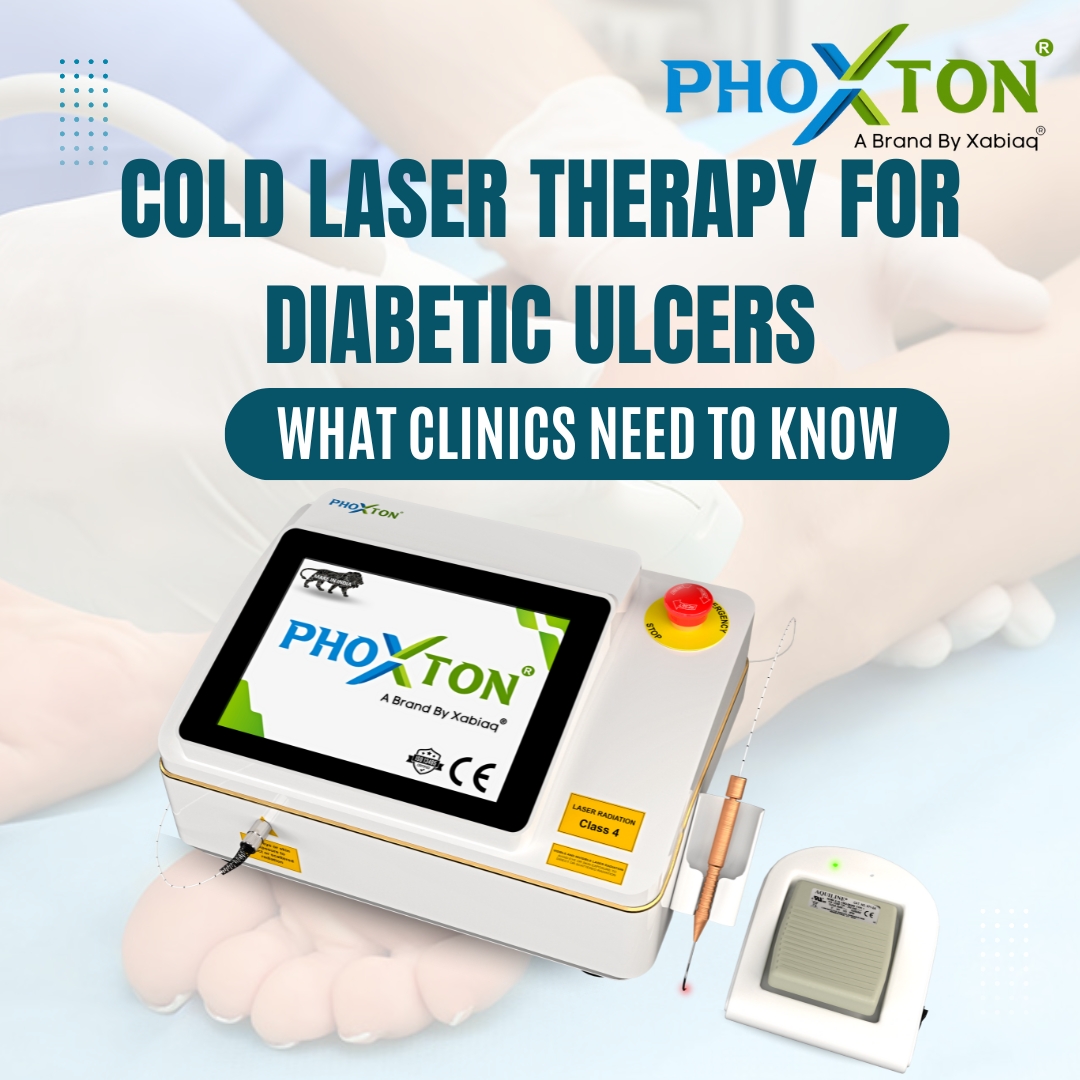
Cold Laser Therapy for Diabetic Ulcers: What Clinics Need to Know
November 18, 2025 -
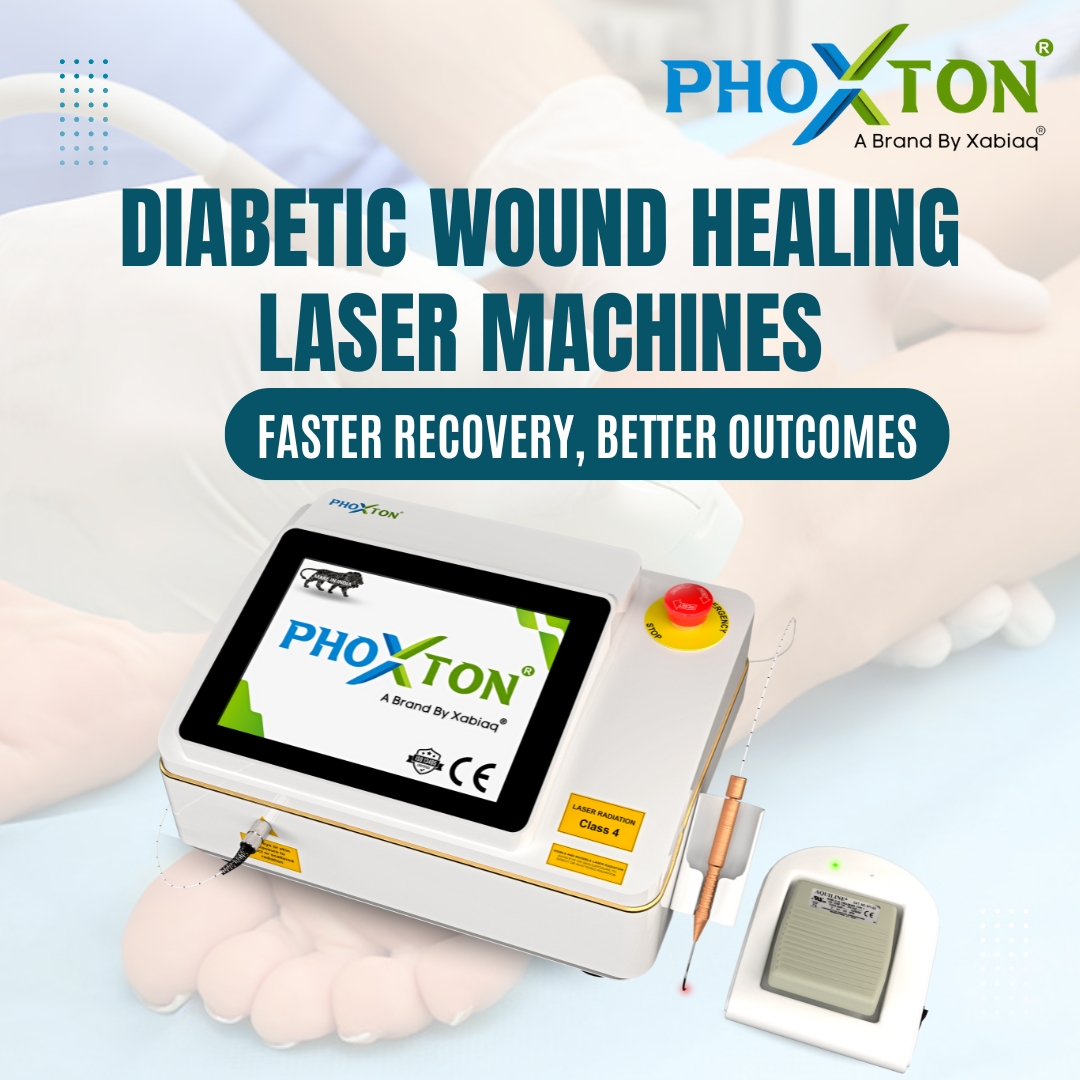
Diabetic Wound Healing Laser Machines: Faster Recovery, Better Outcomes
December 10, 2025